Peptides vs GLP-1s: Competitors or Companions in Metabolic Health?
October 1, 2026
- Introduction
- What Are GLP-1 Medications?
- Why pharmaceutical GLP-1 peptides last longer
- Evidence and regulation are separate questions
- What about unapproved peptides?
- Are Peptides and GLP-1s Competitors or Companions?
- What the Evidence Actually Tells Us
- Responsible Scientific Communication for Peptide Brands
- Is GLP-1 a Peptide?
- Are GLP-1s Peptides?
- Are Peptides the Same as GLP-1?
- What Is the Difference Between Peptides and GLP-1?
- Are All Peptides GLP-1s?
- Are Peptides Like Ozempic?
- What Is the Difference Between Peptides and Ozempic?
- Are Peptides and Semaglutide the Same?
- Is Tirzepatide a Peptide?
- Are Peptides Better Than GLP-1 Medications for Weight Loss?
- Can You Take Peptides With GLP-1 Medications?
- Are There Peptides for Weight Loss Other Than GLP-1 Medications?
- Featured Snippet Answer
Peptides are short chains of amino acids that perform many functions in the body, while GLP-1 is a specific peptide hormone involved in blood sugar regulation and appetite. Semaglutide and tirzepatide are peptide-based medications that act on GLP-1 receptors, although tirzepatide also targets GIP receptors. Other peptides can have entirely different biological effects and are not necessarily weight-loss treatments. Unlike many experimental peptides, approved GLP-1 medications have substantial human clinical evidence and defined FDA-approved indications. Combining them with other peptides has not been established as safe or effective.
Introduction
Interest in peptides and GLP-1 medications has grown as researchers and patients explore treatments related to obesity, blood sugar regulation, and metabolic health. Online discussions often compare these substances as though peptides and GLP-1 medications were two entirely separate categories. However, that comparison overlooks a fundamental scientific distinction: GLP-1 medications such as semaglutide are themselves peptide-based medicines.
The confusion partly stems from the broad use of the word peptides. It can describe naturally occurring hormones, approved pharmaceutical medicines, investigational compounds, and products marketed for purposes that have not been established in clinical trials. These substances may share certain chemical characteristics while having very different biological effects.
Semaglutide, sold under brand names such as Ozempic and Wegovy, and tirzepatide, sold as Mounjaro and Zepbound, have been studied extensively in human clinical trials. Other compounds, including AOD-9604 and MOTS-c, have attracted interest in metabolic research, but their clinical evidence and regulatory status differ substantially.
Understanding the relationship between GLP-1 peptides and other peptides helps separate established medical evidence from preliminary research and marketing claims. This article examines their chemistry, mechanisms, weight-loss evidence, safety, and regulatory status to clarify whether they are competitors, potential companions, or simply different types of biological tools.
What Are Peptides?
Peptides are molecules made of amino acids linked together by chemical bonds. They occur naturally throughout the body and participate in processes such as hormone signaling, digestion, immune regulation, and metabolism. Some peptides are used to develop medicines, while others remain subjects of laboratory or clinical research.
How peptides are structured
Amino acids are the building blocks of peptides and proteins. When amino acids join through peptide bonds, they form chains. Peptides are generally shorter than proteins, although there is no single universally applicable length that separates the two categories. Their structure, sequence, and chemical modifications influence how they interact with biological systems.
The order of amino acids matters. Two peptides can contain similar numbers of amino acids yet have entirely different functions because their sequences and three-dimensional structures differ.
Peptides can also be modified to influence their stability, absorption, receptor activity, or duration of action. Pharmaceutical researchers use these modifications to develop medicines with specific properties.
What do peptides do in the body?
Naturally occurring peptides perform a wide range of biological functions.
- Hormonal signaling: Insulin and GLP-1 are peptide hormones involved in glucose regulation.
- Appetite and digestion: Several peptide hormones participate in appetite signaling, gastrointestinal activity, and nutrient processing.
- Immune activity: Certain peptides participate in immune communication and host defense.
- Tissue regulation: Some peptides influence cellular signaling, growth, or other physiological processes.
These examples illustrate why the word peptide cannot be used as a synonym for a particular treatment.
Endogenous versus administered peptides
An endogenous peptide is produced naturally by the body. An administered peptide is introduced from an external source, often as a pharmaceutical product or an investigational compound.
These two categories can overlap chemically, but they are not necessarily equivalent biologically. A pharmaceutical peptide may be modified to resist degradation, activate a receptor for longer, or produce a different pattern of activity.
Consequently, identifying a substance as a peptide does not establish its effectiveness, safety, or suitability for treating a medical condition.
Scientific background: peptide hormones and proglucagon-derived peptides are described in peer-reviewed physiological reviews.
Is GLP-1 a Peptide?
Yes. GLP-1, or glucagon-like peptide-1, is a naturally occurring peptide hormone involved in blood glucose regulation and appetite signaling. It is released primarily by specialized cells in the intestine in response to food. GLP-1 medications are designed to activate the GLP-1 receptor, but their pharmacological properties differ from those of the body's short-lived natural hormone.
What does GLP-1 stand for?
GLP-1 stands for glucagon-like peptide-1. It is produced when the body processes a larger precursor molecule called proglucagon. In humans, active GLP-1 occurs principally in two forms, GLP-1 (7–36) amide and GLP-1 (7–37).
The hormone is released primarily from intestinal enteroendocrine L cells, particularly following nutrient intake. Some GLP-1 signaling also occurs within the nervous system and other physiological pathways.
How does natural GLP-1 work?
GLP-1 is known as an incretin hormone. Incretins help the body coordinate insulin secretion with food intake.
Its main physiological actions include:
- Glucose-dependent insulin secretion: GLP-1 stimulates pancreatic beta cells to release insulin when blood glucose is elevated.
- Glucagon regulation: It generally suppresses inappropriate glucagon secretion when glucose is elevated, helping regulate glucose production by the liver.
- Gastric emptying: GLP-1 can slow the movement of food from the stomach into the small intestine, particularly during the initial stages of treatment with GLP-1 receptor agonists.
- Appetite regulation: GLP-1 signaling influences brain pathways involved in fullness, hunger, and food intake.
The glucose-dependent nature of its insulin effect is important. GLP-1 does not simply force the pancreas to release insulin regardless of glucose levels.
Why does natural GLP-1 have a short duration?
Natural GLP-1 is rapidly broken down by an enzyme called dipeptidyl peptidase-4 (DPP-4). Its intact circulating half-life is approximately one to two minutes.
This rapid degradation limits the duration of its direct hormonal activity. Pharmaceutical researchers therefore developed GLP-1 receptor agonists with structural characteristics that allow sustained activity.
Is GLP-1 the same as a GLP-1 medication?
No. Natural GLP-1 is a hormone produced by the body, whereas semaglutide and other GLP-1 receptor agonists are pharmaceutical compounds designed to activate the same receptor.
Although they share a biological target, their stability, duration of action, and pharmacological properties differ. Semaglutide, for example, has modifications that enable much longer activity than natural GLP-1.
Therefore, the statements GLP-1 is a peptide and semaglutide is a peptide-based medicine are both accurate, but they describe different things.
What Are GLP-1 Medications?
GLP-1 medications are pharmaceutical compounds that activate the GLP-1 receptor to influence glucose regulation, appetite, and digestion. Some are approved to treat type 2 diabetes, while specific products and formulations are approved for chronic weight management. Semaglutide selectively activates the GLP-1 receptor; tirzepatide activates both GIP and GLP-1 receptors. Their approved uses depend on the particular product and its FDA-approved labeling.
Semaglutide: a GLP-1 receptor agonist
Semaglutide is a modified peptide that activates the GLP-1 receptor. It is engineered to resist rapid degradation and remain active much longer than natural GLP-1.
Semaglutide is the active ingredient in several products, including:
- Ozempic: Approved for specific uses in adults with type 2 diabetes, with additional cardiovascular and kidney-related indications described in its current labeling.
- Wegovy: Approved for chronic weight management in eligible patients, with additional indications specified in its FDA-approved labeling.
- Rybelsus: An oral semaglutide product approved for certain adults with type 2 diabetes.
These products share the same active ingredient but are not interchangeable in every clinical situation. Their formulations, labeled indications, and instructions differ.
Tirzepatide: a dual-receptor agonist
Tirzepatide is a peptide-based medication that activates two incretin receptors: GIP and GLP-1.
Its two receptor targets distinguish it from selective GLP-1 receptor agonists such as semaglutide. Both pathways participate in metabolic regulation, but the pharmacological effects of activating both receptors cannot be reduced to simply doubling the effects of GLP-1.
Tirzepatide is marketed as:
- Mounjaro: Approved for specific type 2 diabetes indications.
- Zepbound: Approved for chronic weight management in eligible adults and for certain adults with obesity and moderate-to-severe obstructive sleep apnea.
The two brand names refer to the same active ingredient, but their FDA-approved indications and prescribing information should be considered separately.
Why pharmaceutical GLP-1 peptides last longer
Natural GLP-1 is rapidly broken down in the body. Pharmaceutical researchers modified the structure of certain peptide medicines to extend their activity.
These changes can affect:
- Resistance to enzymatic breakdown.
- Binding to proteins in the bloodstream.
- Duration of receptor activation.
- The frequency of administration specified in the approved product labeling.
A longer duration of activity does not mean that a pharmaceutical peptide is identical to the natural hormone. It means that its molecular design supports a particular pharmacological profile.
Other GLP-1 medications
Semaglutide and tirzepatide are not the only incretin-based treatments. Other approved medicines include liraglutide, dulaglutide, and exenatide. Their indications, formulations, and dosing schedules differ.
It is also important to distinguish GLP-1 receptor agonists from DPP-4 inhibitors. Both influence incretin biology, but DPP-4 inhibitors reduce the breakdown of naturally occurring incretins rather than acting as GLP-1 peptide drugs.
The term GLP-1 peptide therapy is commonly used in general discussion, but it should not be taken to mean that every GLP-1-related product is approved for every metabolic condition.
Peptides vs GLP-1s: What Is the Difference?
Peptides are a broad chemical class, whereas GLP-1 medications are a specific group of pharmaceutical treatments that act on the GLP-1 receptor or, in the case of tirzepatide, also on the GIP receptor. The difference is therefore not simply peptides versus non-peptides. It is the difference between a broad molecular category and particular medicines with defined mechanisms, evidence, and approved indications.
| Feature | Peptides in general | GLP-1 medications |
|---|---|---|
| Classification | Broad class of amino-acid chains | Specific category of peptide-based medicines |
| Biological function | Varies by peptide | Primarily targets GLP-1 receptors; tirzepatide also targets GIP receptors |
| Mechanism | Depends on the individual peptide | GLP-1 receptor activation or dual GIP/GLP-1 receptor activity |
| Medical applications | Vary widely | Specific approved indications depend on the medication |
| Clinical evidence | Varies considerably | Extensive human trial evidence for established medications |
| Regulatory status | Depends on the individual product | Depends on the specific medication and indication |
| Safety information | Highly substance-specific | Defined in prescribing information for approved products |
| Weight-loss evidence | Ranges from established to preliminary or absent | Supported by clinical trials for specific approved medications and indications |
This comparison places a broad molecular category alongside a particular drug class. It does not mean all other peptides have limited evidence: insulin, for example, is an established peptide medicine. Nor does it mean that every GLP-1 medication has identical indications or evidence.
Chemical classification versus biological function
A peptide's chemical structure tells scientists what kind of molecule it is. Its amino-acid sequence and three-dimensional structure help determine what it does.
For example, insulin is a peptide hormone that regulates glucose metabolism, while GLP-1 is an incretin peptide hormone that helps coordinate insulin secretion with meals. Both are peptides, but they have different biological roles and pharmacological applications.
Other peptides may influence immune signaling, tissue regulation, or cellular metabolism. Some have no established therapeutic application at all.
This explains why a search for peptides vs GLP-1 can be misleading. GLP-1 is already part of the peptide category. A meaningful comparison must identify which particular peptide is being discussed.
Evidence and regulation are separate questions
A molecule's chemical classification does not establish whether it works as a medicine. Evidence must be evaluated for the specific compound, condition, population, and outcome.
Likewise, a compound being investigated in a clinical trial does not mean it is approved. Even when two substances affect related biological pathways, their clinical results and safety profiles cannot automatically be transferred from one to the other.
The distinction is especially relevant to weight loss. Evidence from trials of semaglutide cannot be used to substantiate claims about AOD-9604, MOTS-c, or other unrelated peptides.
How Do GLP-1 Medications Compare With Other Peptides?
GLP-1 medications are developed to activate specific incretin receptors, while other peptides may target entirely different biological pathways. Some experimental peptides have attracted interest because of laboratory findings involving fat metabolism, insulin sensitivity, or cellular energy. However, mechanistic similarities and promising animal results do not establish that these compounds produce meaningful weight loss in people.
AOD-9604
AOD-9604 is a synthetic peptide derived from a region of human growth hormone. It was investigated for potential effects on fat metabolism, including lipolysis, the process through which stored fat is broken down.
Although preclinical findings generated interest, human obesity studies did not establish a reliable, clinically meaningful weight-loss benefit. Its development history does not support treating it as an equivalent alternative to approved GLP-1 medications.
AOD-9604 also lacks an FDA-approved weight-management indication. Its proposed mechanism should not be confused with the established receptor pharmacology of semaglutide or tirzepatide.
MOTS-c
MOTS-c is a mitochondrial-derived peptide studied for its potential role in cellular energy regulation. Laboratory and animal studies have investigated possible relationships with insulin sensitivity and metabolic stress.
However, findings involving the body's naturally occurring MOTS-c levels are not proof that administering a synthetic version improves metabolism. Human efficacy and safety data for administered native MOTS-c remain inadequate to establish a weight-loss treatment effect.
CJC-1295 and ipamorelin
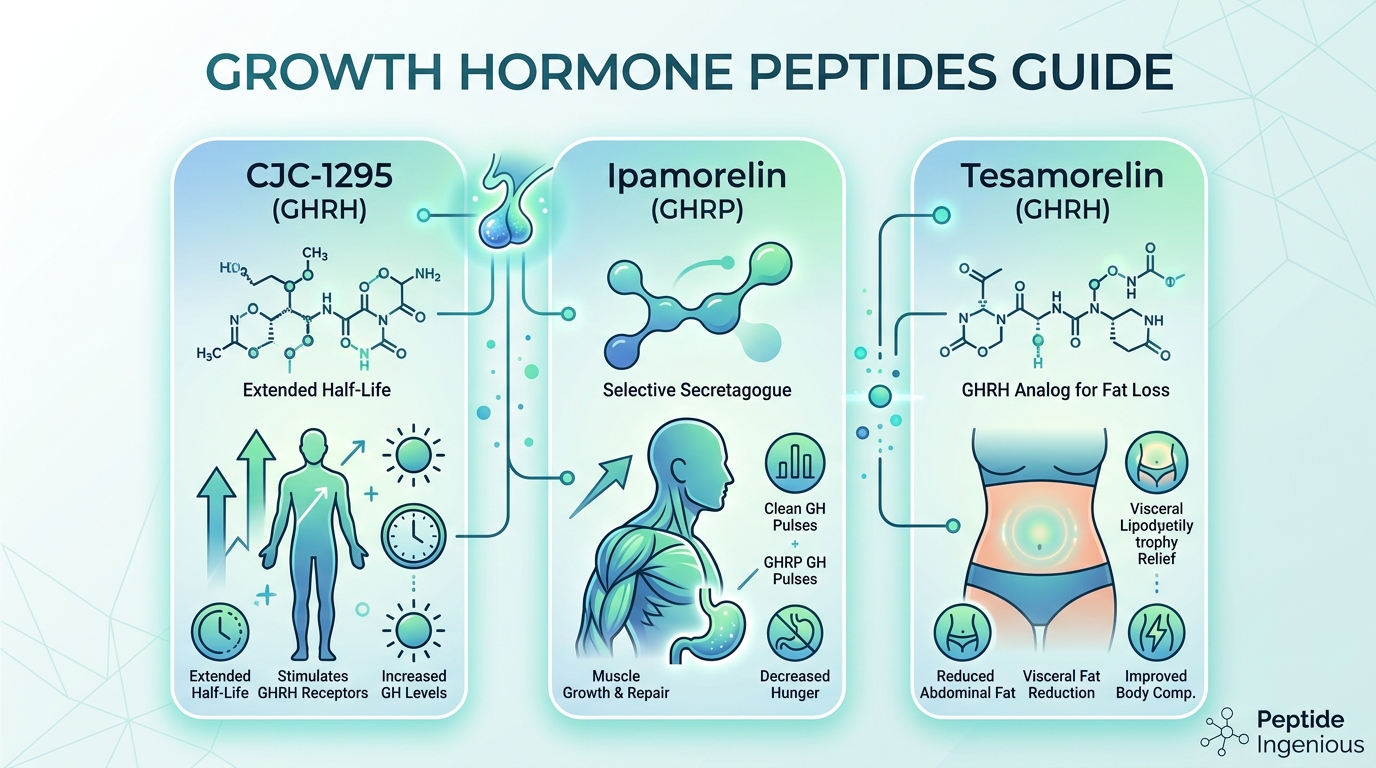
CJC-1295 and ipamorelin are investigated in connection with growth hormone signaling. They are not GLP-1 receptor agonists, and their proposed effects differ from those of semaglutide and tirzepatide.
Growth hormone signaling is not synonymous with fat loss. Evidence that a compound influences a hormone or metabolic marker does not establish that it safely produces sustained weight reduction.
Why these distinctions matter
| Compound | General classification | Research focus | Established FDA-approved weight-loss indication |
|---|---|---|---|
| Semaglutide | Modified peptide drug | GLP-1 receptor activation | Yes, for specific Wegovy indications |
| Tirzepatide | Modified peptide drug | Dual GIP/GLP-1 receptor activation | Yes, for specific Zepbound indications |
| AOD-9604 | Synthetic peptide | Proposed fat-metabolism effects | No |
| MOTS-c | Mitochondrial-derived peptide | Cellular energy and metabolic signaling | No |
| CJC-1295 | Investigational peptide | Growth hormone signaling | No |
| Ipamorelin | Investigational peptide | Growth hormone secretagogue activity | No |
The absence of an approved weight-loss indication does not mean every research peptide is biologically inactive. It means that the evidence and regulatory status do not establish it as an approved treatment for that purpose.
GLP-1 Medications vs Peptides for Weight Loss
Specific GLP-1-based medications have demonstrated clinically meaningful weight loss in large randomized human trials. By contrast, evidence for other peptides varies widely, and many have not demonstrated comparable outcomes in rigorous clinical studies. The phrase GLP-1 peptides for weight loss therefore needs to be interpreted carefully: it describes particular medicines, not every peptide promoted for fat loss.
How GLP-1 medications affect weight
GLP-1 receptor activation influences several systems involved in food intake and metabolic regulation. These medications can reduce appetite, increase feelings of fullness, and affect the speed at which the stomach empties.
Semaglutide and tirzepatide have been evaluated in large, randomized clinical trials involving adults with overweight or obesity. Their results provide human evidence for the specific medicines studied, under the conditions of those trials.
For example, the STEP 1 trial evaluated once-weekly semaglutide alongside lifestyle intervention in adults with overweight or obesity who did not have diabetes. After 68 weeks, the estimated average change in body weight was approximately −14.9% in the semaglutide group, compared with −2.4% in the placebo group.
In the SURMOUNT-1 trial, researchers evaluated tirzepatide in adults with obesity or overweight and at least one weight-related complication, excluding diabetes. After 72 weeks, the average weight reduction was approximately 15.0%, 19.5%, and 20.9% across the three tirzepatide treatment groups, compared with 3.1% with placebo, using the trial's treatment-regimen estimand.
These figures are study averages, not guaranteed individual results. The trials also differed in design, treatment duration, populations, and statistical methods. Their percentages should not be interpreted as a direct comparison of the two medicines.
What about other peptides?
Other peptides may be investigated for fat metabolism, appetite, energy regulation, or hormonal signaling. However, a proposed mechanism is not the same as demonstrated weight loss.
For example, AOD-9604 has been evaluated in human research, but the available results did not establish it as an effective obesity treatment. MOTS-c research has primarily focused on laboratory and animal models, leaving substantial gaps in human intervention evidence.
Anecdotal reports, before-and-after photographs, and changes in laboratory markers cannot establish that an experimental peptide produces sustained, clinically meaningful weight loss.
Weight-loss evidence comparison
| Comparison | Approved GLP-1-based medications | Other peptides |
|---|---|---|
| Weight-loss evidence | Strong human clinical evidence for specific medications and indications | Varies by compound; many have limited or preliminary evidence |
| Mechanism | Defined receptor-based pharmacology | Depends on the individual peptide |
| FDA-approved weight-management use | Exists for certain specific products and indications | Must be verified individually; many are not approved |
| Standardized prescribing information | Available for approved products | Often unavailable for investigational compounds |
| Safety evidence | Product-specific clinical and postmarketing information | May be limited or insufficient |
| Clinical role | Depends on the medication, indication, and patient | Depends on the specific compound and available evidence |
The evidence differences are more informative than treating all peptides as one competing category. Weight-loss claims should be assessed using controlled human research for the exact substance, rather than extrapolated from another peptide or receptor pathway.
Semaglutide and Ozempic vs Other Peptides
Ozempic is a branded medication containing semaglutide, which is itself a modified peptide. It is not scientifically accurate to describe Ozempic as a non-peptide alternative to peptides. The meaningful distinction is between a specific, FDA-approved semaglutide product and other peptides with different biological targets, clinical evidence, and regulatory status.
What makes semaglutide different?
Semaglutide is a GLP-1 receptor agonist. Its molecular structure has been modified to support prolonged activity, allowing it to produce sustained receptor activation compared with natural GLP-1.
Ozempic is approved for specified uses in adults with type 2 diabetes, including certain cardiovascular and kidney risk-related indications. Wegovy contains the same active ingredient but has different approved indications, including chronic weight management for eligible patients. The products have different prescribing information, so their indications should not be conflated.
Is Ozempic the same as other peptides?
No. Ozempic is a particular prescription drug with a specific active ingredient, formulation, and approved labeling. Other peptides may interact with growth hormone pathways, mitochondrial signaling, or entirely different biological systems.
A compound marketed as a peptide for weight loss does not acquire semaglutide's clinical evidence simply because both substances are peptides.
Likewise, studies of semaglutide do not establish that an unrelated peptide produces similar changes in appetite, body weight, blood glucose, or cardiovascular risk.
The distinction between peptide chemistry and therapeutic evidence is essential when evaluating claims about peptides vs Ozempic or peptides vs semaglutide.
Tirzepatide vs Other Peptides
Tirzepatide is a modified peptide medication that activates both GIP and GLP-1 receptors. It differs from selective GLP-1 receptor agonists because it engages two incretin pathways. Other peptides may act on completely different targets, so their effects cannot be inferred from tirzepatide's clinical trial results.
How tirzepatide works
GIP, or glucose-dependent insulinotropic polypeptide, is another incretin hormone. Tirzepatide's dual-receptor activity combines GIP and GLP-1 receptor agonism within a single pharmaceutical molecule.
The medicine has been evaluated in extensive human clinical research. In the SURMOUNT-1 trial, its effects on body weight were assessed over 72 weeks in adults with obesity or overweight and weight-related complications who did not have diabetes. The trial demonstrated substantial average weight reduction relative to placebo.
How does it differ from unrelated peptides?
Tirzepatide has a defined pharmacological mechanism, standardized pharmaceutical formulation, and FDA-approved indications. CJC-1295 and ipamorelin, by comparison, are investigated for growth hormone-related activity, while MOTS-c is studied for its possible role in cellular energy regulation.
These different targets mean that a comparison based solely on the word peptide provides little information about clinical effectiveness.
Zepbound and Mounjaro contain the same active ingredient, tirzepatide, but their approved indications differ. Zepbound is associated with chronic weight management and a specific obstructive sleep apnea indication, while Mounjaro is indicated for type 2 diabetes. The current FDA labeling for each product defines its permitted uses.
Can You Combine GLP-1 Medications With Other Peptides?
The possibility of using GLP-1 medications alongside other peptides is a common subject of online discussion. However, theoretical complementarity between two biological pathways does not establish that combining the corresponding compounds improves weight loss or metabolic health. Each proposed combination requires its own evidence concerning effectiveness, interactions, and safety.
Why are peptide combinations discussed?
Interest in combinations often comes from the idea that different compounds might influence different aspects of metabolism. For example, one substance may be studied for appetite signaling, while another is investigated for cellular energy regulation.
This rationale can generate research questions, but it does not demonstrate that the combination produces a useful clinical outcome.
A laboratory finding involving two biological pathways is not sufficient evidence to support a treatment combination in humans.
What is known about combining them?
For many combinations of GLP-1 medications and experimental peptides, adequate controlled human evidence is lacking. The absence of such evidence makes it difficult to determine whether a proposed combination provides an additional benefit or introduces risks.
Potential concerns depend on the substances involved. Some combinations could produce overlapping adverse effects, while others could affect different physiological systems in ways that have not been adequately studied. The nature and likelihood of any interaction cannot be generalized across all peptides.
Even combinations involving two approved medicines require consideration of the specific products, their indications, and their prescribing information. Combining an approved drug with an investigational or unapproved compound adds further uncertainty.
Why theoretical synergy is not enough
Researchers sometimes investigate whether two interventions have complementary mechanisms. However, complementary receptor activity does not automatically translate into greater weight loss, better glucose control, or improved long-term outcomes.
A scientifically meaningful combination study needs to assess actual clinical outcomes, adverse effects, and the characteristics of the population being studied.
There is currently no basis for treating GLP-1 and experimental peptide combinations as a universally established metabolic health strategy. Anyone considering multiple therapies should discuss the proposed combination with a qualified healthcare professional who can assess the relevant medications and medical history.
The search phrases GLP-1 with peptides, peptides with GLP-1, and integrated solutions for GLP-1 and peptides can describe areas of interest, but they do not establish that a combination is clinically appropriate.
Safety, Regulation, and FDA Approval
FDA approval, clinical evidence, and safety information must be assessed for each specific medicine or peptide. Approved GLP-1 medications have undergone regulatory review for particular indications, whereas many experimental peptides have not. Approval does not eliminate risk, but it provides product-specific evidence and standardized prescribing information that are often unavailable for unapproved compounds.
What does FDA approval mean?
The FDA evaluates prescription medicines for quality, safety, and effectiveness for their proposed uses. Approved medications have evidence and labeling specific to the product and its indications.
For semaglutide and tirzepatide, this includes clinical evidence concerning their effects, adverse reactions, warnings, contraindications, and other prescribing considerations. Approval for one indication does not automatically establish approval for another.
Investigational peptides are different. A compound may be undergoing laboratory research or clinical trials without being approved for medical use. Likewise, a product marketed online as a research peptide is not equivalent to an FDA-approved medication.
Safety considerations for semaglutide and tirzepatide
Both medicines can cause gastrointestinal adverse effects. Commonly reported effects include nausea, vomiting, diarrhea, constipation, and abdominal discomfort. These effects can sometimes be significant enough to require medical attention or discontinuation.
Their FDA-approved prescribing information also includes important warnings and precautions. Depending on the product, these include:
- Thyroid C-cell tumor risk: Both medicines carry boxed warnings concerning thyroid C-cell tumors observed in rodents. Their relevance to humans is unknown.
- Pancreatitis: Acute pancreatitis has been reported, and persistent, severe abdominal pain warrants prompt medical evaluation.
- Gallbladder disease: Gallstones and gallbladder inflammation are recognized risks.
- Volume depletion and kidney injury: Severe gastrointestinal symptoms can contribute to dehydration and kidney complications.
- Hypoglycemia: The risk can increase when these medicines are used with insulin or certain other glucose-lowering medications.
- Gastrointestinal complications: Delayed gastric emptying can be clinically relevant, particularly in people with certain gastrointestinal conditions.
Both products have specific contraindications and precautions. For example, their labeling contraindicates use in people with a personal or family history of medullary thyroid carcinoma or multiple endocrine neoplasia syndrome type 2. The exact warnings and prescribing instructions should be checked against the current label for the particular product.
What about unapproved peptides?
Many experimental peptides lack the extensive human safety data available for approved medications. Uncertainties may include purity, stability, immunogenicity, impurities, appropriate formulation, and effects after prolonged exposure.
Products sold online may not have undergone FDA review for quality, safety, or effectiveness. A label stating "research use only" does not make a product an approved medicine or establish that it is suitable for human use.
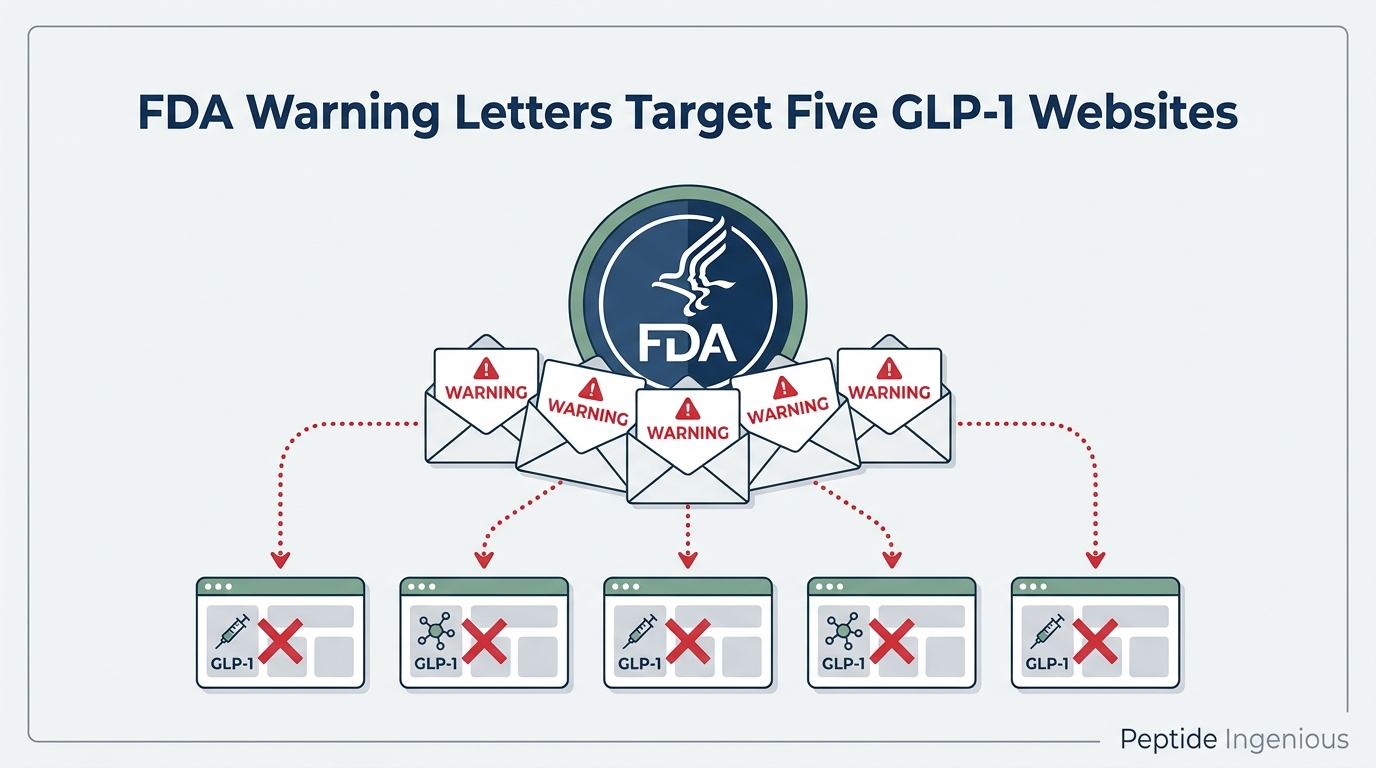
Compounded medications also require careful distinction. Compounding is subject to specific federal and state requirements; it is not a general exemption from drug regulation. FDA has warned about unapproved compounded GLP-1 products, including dosing errors, fraudulent labeling, and concerns about semaglutide salt forms.
These distinctions matter because safety findings from an approved semaglutide product cannot automatically be applied to a different peptide or an unapproved formulation.
Are Peptides and GLP-1s Competitors or Companions?
Peptides and GLP-1 medications are not inherently competing categories because GLP-1 medications are themselves peptide-based treatments. Some other peptides are being investigated for metabolic applications, but their biological targets and evidence can be very different. Whether any two compounds could be useful together is a separate scientific question that requires evidence specific to the combination.
There are three distinct relationships to consider:
- Chemical relationship: GLP-1 medications such as semaglutide and tirzepatide are peptides, while other peptides belong to the same broad chemical category.
- Pharmacological relationship: Different peptides may act on unrelated receptors, enzymes, or cellular pathways. Similar chemical structures do not imply similar effects.
- Clinical relationship: A potential combination must be evaluated for its actual benefits and risks in humans. Theoretical complementarity does not demonstrate a clinically useful treatment.
Some peptides may be investigated as potential metabolic therapies, but that research interest should not be mistaken for established clinical practice. Likewise, the evidence supporting approved GLP-1 medicines cannot be generalized to unrelated peptides.
The central distinction is that peptides describes a broad molecular class, whereas GLP-1 medications refers to particular medicines with defined pharmacological properties and approved indications.
What the Evidence Actually Tells Us
The scientific evidence supports several clear conclusions. Peptides are a diverse class of molecules, and endogenous GLP-1 is a well-characterized peptide hormone. Specific GLP-1-based medicines have substantial human clinical evidence for their approved uses, while the evidence for other metabolic peptides varies considerably. Proposed combinations remain a separate question that requires combination-specific clinical research.
| Topic | Evidence status | Interpretation |
|---|---|---|
| Peptides as a biological class | Established | Peptides have diverse structures and physiological functions. |
| Endogenous GLP-1 | Established | A peptide hormone involved in glucose and appetite regulation. |
| Semaglutide | Extensive clinical evidence | A GLP-1 receptor agonist with specific FDA-approved indications. |
| Tirzepatide | Extensive clinical evidence | A dual GIP/GLP-1 receptor agonist with specific FDA-approved indications. |
| Other metabolic peptides | Compound-specific | Evidence ranges from preliminary research to limited or absent human data. |
| Peptides for weight loss | Highly variable | Effectiveness cannot be generalized across peptide compounds. |
| Combining GLP-1 medications and other peptides | Often limited | Benefits and risks require combination-specific clinical evidence. |
The STEP 1 and SURMOUNT-1 trials demonstrate that particular approved incretin-based medications can produce substantial average weight loss in studied populations. Those results do not establish equivalent effects for experimental peptides.
For other compounds, the distinction between mechanistic research, animal findings, observational associations, and controlled human trials remains essential. A proposed metabolic effect is not proof of a clinically meaningful outcome.
There is also insufficient evidence to treat combinations of GLP-1 medicines and unrelated research peptides as an established approach. The most defensible interpretation is compound-specific: evaluate each substance according to its clinical research, regulatory status, and safety information rather than assuming that all peptides share similar benefits.
Responsible Scientific Communication for Peptide Brands
Peptide-related content can easily blur the distinction between laboratory research, investigational products, and approved medicines. Businesses publishing information about these substances therefore need clear, accurate descriptions of mechanisms, evidence limitations, and regulatory status.
Peptide Ingenious provides peptide-specific SEO and AEO, compliant website development, conversion rate optimization, compliance monitoring, and email retention marketing for businesses in the peptide industry. Its digital services for peptide brands are relevant to businesses seeking to communicate scientific and regulatory information clearly. Responsible digital content should distinguish research findings from established clinical evidence rather than presenting preliminary claims as proven medical benefits.
Frequently Asked Questions
Is GLP-1 a Peptide?
Yes. GLP-1 is a naturally occurring peptide hormone produced primarily by intestinal L cells. It helps regulate glucose-dependent insulin secretion, glucagon, gastric emptying, and appetite. Several pharmaceutical medicines, including semaglutide, are modified peptide-based drugs that activate the GLP-1 receptor, although their structures and duration of action differ from natural GLP-1.
Are GLP-1s Peptides?
GLP-1 itself is a peptide hormone, and several GLP-1 receptor agonists are peptide-based medications. Semaglutide and liraglutide are examples. Tirzepatide is also peptide-based, although it activates both GIP and GLP-1 receptors. However, the term peptides covers many other molecules that do not act on GLP-1 receptors.
Are Peptides the Same as GLP-1?
No. Peptides are a broad category of amino-acid chains, while GLP-1 is one particular peptide hormone. Other peptides have different structures, receptors, and biological functions. Some are medicines, some are naturally occurring signaling molecules, and others remain investigational. GLP-1 medications represent only a specific part of this much broader category.
What Is the Difference Between Peptides and GLP-1?
The principal difference is that peptides are a broad chemical classification, whereas GLP-1 is a specific peptide hormone. GLP-1-based medicines are pharmaceutical products designed to activate the GLP-1 receptor. Other peptides may target entirely different biological pathways and cannot be assumed to have the same metabolic or weight-loss effects.
Are All Peptides GLP-1s?
No. Most peptides are not GLP-1 receptor agonists. Insulin, for example, is a peptide hormone with a different receptor and function. Other peptides participate in immune signaling, digestion, or cellular metabolism. A peptide's chemical structure alone does not establish its receptor activity or whether it has a medical application.
Are Peptides Like Ozempic?
Ozempic contains semaglutide, a modified peptide that activates the GLP-1 receptor. In that chemical sense, Ozempic is a peptide-based medication. However, unrelated research peptides may have completely different mechanisms and evidence. The clinical results established for Ozempic cannot be applied to other peptides merely because they share a broad chemical classification.
What Is the Difference Between Peptides and Ozempic?
Peptides are a broad class of molecules, while Ozempic is a specific branded prescription medication containing semaglutide. Ozempic has defined FDA-approved indications and product-specific prescribing information. Other peptides may be naturally occurring, approved medicines, or investigational compounds. Their safety and effectiveness must be evaluated individually rather than inferred from semaglutide.
Are Peptides and Semaglutide the Same?
Semaglutide is a specific modified peptide, not a synonym for all peptides. It has been developed as a GLP-1 receptor agonist and studied in extensive clinical trials. Other peptides may have different amino-acid sequences, biological targets, and medical applications. Therefore, evidence supporting semaglutide does not establish the effectiveness of unrelated peptides.
Is Tirzepatide a Peptide?
Yes. Tirzepatide is a modified peptide-based medication that activates both GIP and GLP-1 receptors. Its dual-receptor activity distinguishes it from selective GLP-1 receptor agonists such as semaglutide. It is approved under different brand names for specific indications, including type 2 diabetes and chronic weight management, depending on the product.
Are Peptides Better Than GLP-1 Medications for Weight Loss?
There is no scientifically valid way to rank all peptides against GLP-1 medications as a single group. Specific approved GLP-1-based medicines have extensive human clinical evidence for weight management, whereas evidence for other peptides varies considerably. Comparisons must consider the individual compound, its clinical trials, approved indications, and known safety profile.
Can You Take Peptides With GLP-1 Medications?
The safety and effectiveness of combining a GLP-1 medication with another peptide depend on the specific substances involved. Many proposed combinations have not been adequately studied in humans. Complementary theoretical mechanisms do not establish clinical benefit or safety. Anyone considering multiple therapies should discuss the relevant risks and uncertainties with a qualified healthcare professional.
Are There Peptides for Weight Loss Other Than GLP-1 Medications?
Several non-GLP-1 peptides have been investigated or marketed for potential weight-related effects. However, their evidence differs substantially. Some have only preclinical findings, while others have undergone human studies without establishing clinically meaningful weight-loss benefits. Experimental peptides should not be treated as approved substitutes for medicines with demonstrated clinical effectiveness.
Featured Snippet Answer
Peptides are short chains of amino acids with diverse biological functions. GLP-1 is one specific peptide hormone involved in glucose regulation and appetite. Medicines such as semaglutide are modified GLP-1 receptor agonist peptides, while tirzepatide activates both GIP and GLP-1 receptors. Other peptides may have entirely different effects, and their effectiveness for weight loss depends on compound-specific clinical evidence and regulatory status.
Medical Disclaimer
This article is for educational and informational purposes only. It does not constitute medical advice, a diagnosis, or a treatment recommendation. The information presented should not replace consultation with a qualified healthcare professional. GLP-1 medications have product-specific indications, contraindications, and risks. The safety and effectiveness of investigational or unapproved peptides, including their use alongside prescription medicines, may be uncertain. Always consult an appropriately qualified healthcare professional about medication-related decisions.