Zepbound Side Effects: Common, Serious, Long-Term Risks and How to Manage Them
September 29, 2026
- What Happens When You Stop Taking Zepbound?
- Who Shouldn't Take Zepbound?
- Digital Marketing & Website Development for Peptide Brands
- Does Zepbound Have Side Effects?
- How Does Zepbound Make You Feel?
- Is Heartburn a Side Effect of Zepbound?
- Does Zepbound Cause Bloating?
- What Are the Most Common Side Effects of Zepbound?
- Can Zepbound Cause Unusual Side Effects?
- Are Zepbound Injection Side Effects Different From Other Side Effects?
- What are the most common side effects of Zepbound?
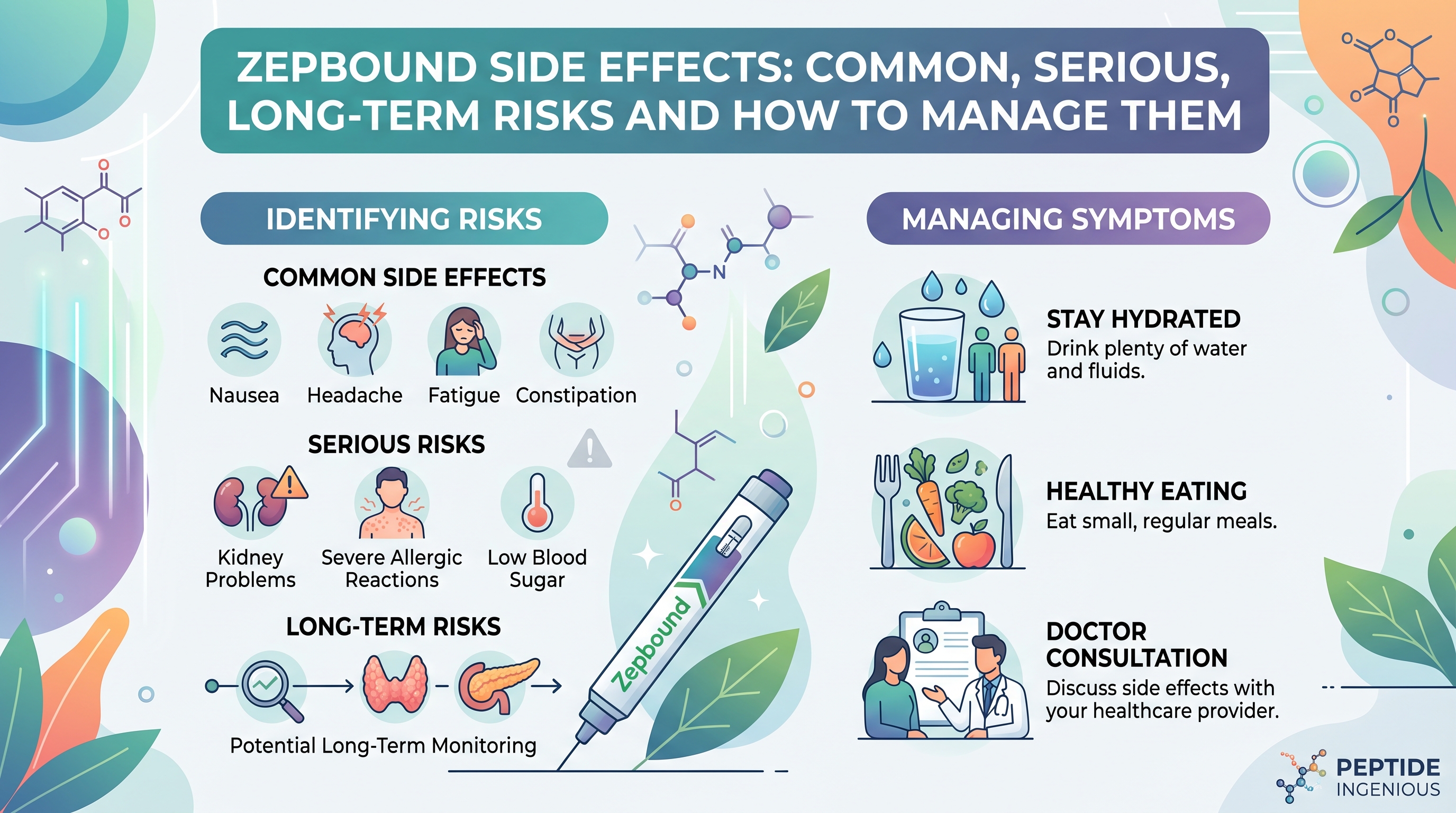
Zepbound (tirzepatide) can cause several side effects, most commonly nausea, diarrhea, vomiting, constipation, abdominal pain, and indigestion. Some people also experience bloating, heartburn, or injection-site reactions. Most reported gastrointestinal effects are mild to moderate, particularly during dose increases, but serious complications, including pancreatitis, gallbladder problems, severe gastrointestinal reactions, and allergic reactions, can occur. Recognizing warning signs and discussing persistent symptoms with a healthcare professional is important.
Zepbound
Zepbound (tirzepatide) is a prescription medication approved by the U.S. Food and Drug Administration (FDA) for chronic weight management in eligible adults and for treating moderate to severe obstructive sleep apnea in adults with obesity. Although it can provide substantial clinical benefits for eligible patients, understanding Zepbound side effects is an important part of making informed treatment decisions.
The most frequently reported adverse effects involve the digestive system. Nausea, diarrhea, vomiting, constipation, and abdominal discomfort are particularly common. These symptoms may appear when treatment begins or after a dose increase, although individual experiences vary considerably.
Not every person experiences the same symptoms, and the severity of adverse effects cannot be predicted from dosage alone. Some reactions resolve as the body adjusts, while others may require medical attention. Rare but potentially serious complications also warrant consideration.
This guide examines common and serious side effects, differences between dosage strengths, potential long-term risks, and practical ways to manage symptoms. It also explains when to seek medical attention and what the FDA prescribing information says about Zepbound's safety.
Medical accuracy note: The following discussion reflects established FDA labeling and clinical safety principles. Exact prescribing information and newly updated guidance should be checked against the current FDA label before publication.
What Are the Common Side Effects of Zepbound?
The most common side effects of Zepbound are gastrointestinal, including nausea, diarrhea, vomiting, constipation, abdominal pain, and indigestion. Other frequently reported reactions include injection-site reactions, fatigue, belching, hair loss, hypersensitivity reactions, and acid reflux. The severity and frequency of these symptoms vary, and some become less noticeable as treatment continues.
According to the FDA prescribing information, the following adverse reactions occurred in at least 5% of adults treated with Zepbound in clinical trials.
| Common side effect | What it may feel like |
|---|---|
| Nausea | An unsettled stomach or feeling like you might vomit |
| Diarrhea | Frequent, loose, or watery bowel movements |
| Vomiting | Emptying stomach contents, sometimes repeatedly |
| Constipation | Infrequent or difficult bowel movements |
| Abdominal pain | Stomach discomfort, cramps, or aching |
| Indigestion | Fullness, discomfort, or burning after eating |
| Injection-site reactions | Redness, itching, swelling, or discomfort where injected |
| Fatigue | Unusual tiredness or low energy |
| Hypersensitivity reactions | Allergic-type symptoms, such as itching or rash |
| Belching | Frequent burping |
| Hair loss | Increased hair shedding |
| Gastroesophageal reflux | Acid reflux or heartburn |
Source: FDA-approved Zepbound prescribing information. Not every reaction has the same frequency or severity.
Why Does Zepbound Cause Gastrointestinal Symptoms?
Tirzepatide activates GIP and GLP-1 receptors, which influence appetite, blood glucose regulation, and digestion. It also slows gastric emptying, meaning food leaves the stomach more slowly.
This effect can contribute to nausea, early fullness, bloating, belching, and reflux. Changes in eating patterns and reduced food intake may also contribute to constipation or other digestive symptoms.
The most common side effects of Zepbound are generally more noticeable during the initial weeks of treatment and periods of dosage escalation. However, symptoms can also persist or develop later.
Not all adverse effects are gastrointestinal. Fatigue and hair loss, for example, may have several contributing factors. Hair loss reported during weight-loss treatment may be associated with substantial weight reduction rather than a direct medication effect alone.
If symptoms are mild, they may improve over time. However, persistent vomiting, severe abdominal pain, signs of dehydration, or allergic symptoms should not be dismissed as ordinary treatment effects.
Zepbound Side Effects by Dosage
Zepbound is available in six dosage strengths: 2.5 mg, 5 mg, 7.5 mg, 10 mg, 12.5 mg, and 15 mg. The medication is administered once weekly, with gradual dose escalation to help improve tolerability. Higher doses may be associated with more gastrointestinal adverse reactions, but an individual's experience cannot be predicted by dose alone.
The FDA-recommended starting dose is 2.5 mg once weekly for four weeks. The dose can then be increased in 2.5 mg increments after at least four weeks at the current dose, depending on tolerability and treatment needs.
| Dosage | Typical role | Relevant safety considerations |
|---|---|---|
| 2.5 mg | Initial dose for four weeks | Nausea, diarrhea, and other digestive symptoms may begin |
| 5 mg | Approved maintenance dose | Gastrointestinal symptoms may occur, particularly after escalation |
| 7.5 mg | Dose-escalation strength | Symptoms may emerge or worsen following an increase |
| 10 mg | Approved maintenance dose | Gastrointestinal tolerability remains important |
| 12.5 mg | Dose-escalation strength | Further escalation may temporarily increase symptoms |
| 15 mg | Approved maintenance dose | Higher-dose treatment may carry greater gastrointestinal tolerability challenges |
The 7.5 mg and 12.5 mg strengths are primarily used during escalation, while 5 mg, 10 mg, and 15 mg are approved maintenance doses. The appropriate maintenance dose depends on treatment response and tolerability.
Zepbound 2.5 mg Side Effects
The 2.5 mg dose is the recommended starting dose. Common symptoms can include nausea, diarrhea, vomiting, constipation, abdominal discomfort, and indigestion. Some people notice reduced appetite or early fullness.
Although it is the lowest available strength, it does not guarantee freedom from adverse effects. Patients should use this dose for the prescribed initiation period rather than increasing it early to accelerate weight loss.
Zepbound 5 mg Side Effects
The 5 mg dose is an approved maintenance option. Some patients experience gastrointestinal symptoms after moving up from 2.5 mg, including nausea, constipation, diarrhea, or abdominal pain.
Clinical trial results show that nausea, diarrhea, and vomiting are among the most frequently reported adverse reactions. Some patients tolerate 5 mg without substantial discomfort, while others need additional clinical assessment before continuing escalation.
Zepbound 7.5 mg Side Effects
The 7.5 mg strength is generally used during dose escalation rather than as a standard maintenance dose. Symptoms such as nausea, bloating, vomiting, and constipation may appear or become more noticeable following the increase.
A patient who tolerates 5 mg may still experience symptoms at 7.5 mg. The response depends on individual tolerability, eating patterns, medical history, and other factors.
Zepbound 10 mg Side Effects
The 10 mg strength is an approved maintenance dose. Its side effects can include nausea, diarrhea, constipation, abdominal pain, indigestion, and reflux.
Clinical trial data show that gastrointestinal adverse reactions can occur at this strength. Patients experiencing persistent or severe symptoms should discuss them with their prescriber rather than independently changing the dosage.
Zepbound 12.5 mg Side Effects
The 12.5 mg strength is an escalation dose. Digestive symptoms may occur after moving up from 10 mg, although not everyone experiences worsening effects.
Patients should pay attention to persistent nausea, repeated vomiting, severe abdominal discomfort, or difficulty maintaining adequate hydration. These symptoms may require clinical evaluation before further escalation.
Zepbound 15 mg Side Effects
The 15 mg strength is the highest approved weekly dose and an approved maintenance option. Possible adverse reactions include nausea, diarrhea, vomiting, constipation, abdominal pain, and indigestion.
Clinical trial data indicate that some gastrointestinal adverse reactions, including severe reactions, occurred more frequently at higher studied doses. However, taking 15 mg does not mean a patient will necessarily experience more severe symptoms than someone taking a lower dose.
Important dosage consideration
Never increase, decrease, or repeat a Zepbound dose without appropriate prescribing guidance. Dose escalation should account for both tolerability and treatment response. If symptoms are difficult to manage, contact the prescribing healthcare professional before the next dose.
When Do Zepbound Side Effects Start?
Zepbound side effects can begin during the first few weeks of treatment, sometimes after the first injection. They may also appear after a dose increase, particularly when the digestive system is adjusting to a higher dose. However, the exact onset varies from person to person.
Because tirzepatide slows gastric emptying and remains active in the body for several days, symptoms do not necessarily occur immediately after an injection.
Some people notice nausea, early fullness, or reduced appetite soon after starting treatment. Others experience diarrhea, constipation, or abdominal discomfort later in the week. Symptoms can also develop after several injections, even if earlier doses caused little discomfort.
The likelihood of experiencing symptoms may be influenced by:
- The current dose and recent dose increases.
- Individual sensitivity to tirzepatide.
- Eating habits and meal size.
- Existing digestive conditions.
- Other medications and underlying health conditions.
The FDA recommends gradual dose escalation to reduce the risk of gastrointestinal adverse reactions. This is why the initial dose is maintained for four weeks before the first scheduled increase.
If symptoms are severe, persistent, or interfere with daily activities, contact your healthcare professional. Do not assume that every new symptom is a normal adjustment to treatment.
How Long Do Zepbound Side Effects Last?
The duration of Zepbound side effects varies. Mild nausea, diarrhea, or constipation may improve as the body adjusts to treatment, particularly after starting the medication or increasing the dose. However, some symptoms can persist, recur, or require medical evaluation.
Clinical trial observations indicate that nausea, vomiting, and diarrhea occurred most often during dose escalation and generally decreased over time. This does not mean every patient will experience improvement or that persistent symptoms should be ignored.
Several factors can influence how long adverse effects last:
- Dose changes: Symptoms may recur after an increase.
- Individual tolerance: People respond differently to tirzepatide.
- Digestive health: Existing gastrointestinal conditions may influence symptoms.
- Hydration and food intake: Inadequate fluid intake and changes in eating habits may worsen some symptoms.
There is no single reliable duration that applies to every side effect. Some symptoms may resolve relatively quickly, while more persistent gastrointestinal problems can require medical assessment.
Seek medical advice if vomiting or diarrhea continues, constipation becomes severe, or symptoms interfere with eating and drinking. Persistent or severe abdominal pain, especially when it radiates to the back, requires prompt evaluation because it may indicate pancreatitis.
Do not continue treating worsening symptoms as an expected part of weight-loss treatment without discussing them with a healthcare professional.
Long-Term Side Effects and Risks of Zepbound
Long-term Zepbound side effects are an important consideration for anyone using tirzepatide for chronic weight management or obstructive sleep apnea. Established risks include gastrointestinal complications, gallbladder disease, pancreatitis, dehydration-related kidney injury, and serious allergic reactions. The FDA also maintains a boxed warning about thyroid C-cell tumors observed in animal studies.
Long-term safety is assessed through clinical trials, postmarketing reports, and continued regulatory monitoring. However, not every potential risk can be fully characterized by the available duration of clinical trials.
1. Serious Gastrointestinal Problems
Zepbound can cause severe gastrointestinal adverse reactions, including persistent nausea, vomiting, diarrhea, and abdominal discomfort.
In the FDA prescribing information, severe gastrointestinal adverse reactions occurred more frequently in patients receiving 5 mg, 10 mg, or 15 mg than in those receiving placebo in the pooled weight-reduction trials.
People with severe gastroparesis, a condition in which the stomach empties unusually slowly, should generally not use Zepbound because the medication can further delay gastric emptying.
Persistent vomiting, severe abdominal pain, or an inability to maintain fluid intake requires medical evaluation.
2. Gallbladder Problems
Gallbladder problems, including gallstones and gallbladder inflammation (cholecystitis), have been reported in clinical trials.
The FDA's pooled weight-management trial data reported gallstones in 1.1% of Zepbound-treated patients compared with 1% of placebo-treated patients. Cholecystitis occurred in 0.7% of patients receiving Zepbound compared with 0.2% receiving placebo.
Some gallbladder events were associated with weight reduction. Rapid or substantial weight loss itself can increase the risk of gallstones.
Warning signs include pain in the upper right abdomen, fever, nausea, vomiting, or yellowing of the skin or eyes. These symptoms warrant prompt medical assessment.
3. Pancreatitis
Acute pancreatitis is an inflammation of the pancreas that can be serious. It has been observed in patients receiving Zepbound and other GLP-1 receptor agonists.
A key warning sign is persistent, severe abdominal pain, which may spread to the back and may occur with or without vomiting.
If pancreatitis is suspected, the FDA prescribing information directs healthcare professionals to discontinue Zepbound and initiate appropriate medical management. Patients experiencing these symptoms should seek urgent medical care.
4. Kidney Problems and Dehydration
Zepbound may contribute to acute kidney injury when gastrointestinal symptoms cause significant dehydration.
Repeated vomiting or diarrhea can reduce the body's fluid volume and affect kidney function. This risk may be particularly relevant during treatment initiation and dose escalation.
People with kidney disease or those taking medications that affect fluid balance may need closer monitoring. Contact a healthcare professional if you cannot maintain adequate hydration or notice substantially reduced urination.
5. Thyroid C-Cell Tumor Warning
Zepbound carries an FDA boxed warning concerning thyroid C-cell tumors. Tirzepatide caused these tumors in rats, but it remains unknown whether the medication causes thyroid cancer in humans.
The medication is contraindicated in people with a personal or family history of medullary thyroid carcinoma (MTC) or multiple endocrine neoplasia syndrome type 2 (MEN 2).
A neck lump, persistent hoarseness, difficulty swallowing, or difficulty breathing should be medically evaluated. Routine calcitonin testing or thyroid ultrasound solely to screen all Zepbound users has uncertain value according to the FDA label.
What Is Known About Long-Term Safety?
Clinical trials provide evidence about safety over the periods studied, but they cannot establish every possible outcome of many years of treatment. Continued monitoring and updated prescribing information remain important.
Patients taking Zepbound over an extended period should discuss persistent adverse effects, changes in their health, and any new medications with their healthcare professional. Long-term risks should be considered alongside the medication's potential benefits for the individual's approved treatment indication.
Zepbound Side Effects in Men and Women
Zepbound can cause similar gastrointestinal and other adverse effects in men and women. Nausea, diarrhea, vomiting, constipation, abdominal pain, and indigestion are among the commonly reported reactions in both groups. Available evidence does not establish a consistent, clinically meaningful difference in the overall side-effect profile based solely on sex.
However, reproductive considerations and individual health factors can affect treatment decisions.
Zepbound Side Effects in Women
Women may experience the same common gastrointestinal symptoms reported by other adults taking Zepbound. However, several additional considerations are relevant.
- Pregnancy: Zepbound may cause fetal harm. The FDA recommends discontinuing it when pregnancy is recognized.
- Oral contraceptives: Delayed gastric emptying can reduce the effectiveness of oral hormonal contraceptives. The FDA recommends switching to a non-oral contraceptive or adding a barrier method for four weeks after starting Zepbound and for four weeks after each dose increase.
- Breastfeeding: There are insufficient data to determine the medication's effects on breastfed infants or milk production. Treatment decisions should account for the mother's clinical needs and potential risks.
Weight loss during treatment may also be associated with hair shedding, which can be influenced by nutritional intake and the amount of weight lost.
Zepbound Side Effects in Men
Men can experience the same gastrointestinal symptoms, fatigue, injection-site reactions, and other adverse effects reported in clinical trials. Current prescribing information does not establish a distinct set of common side effects specific to men.
There is also insufficient evidence to conclude that men are consistently more or less susceptible to serious adverse reactions solely because of sex.
Both men and women should discuss their medical history, other medications, and any persistent or unusual symptoms with their healthcare professional.
What Happens When You Stop Taking Zepbound?
Stopping Zepbound does not necessarily cause a distinct withdrawal syndrome, but appetite and weight may change after treatment ends. Some people experience increased hunger and regain some of the weight they previously lost. Individual outcomes depend on several factors, including eating habits, activity, underlying health conditions, and ongoing treatment.
Zepbound affects appetite regulation and helps support weight management while treatment continues. When its effects diminish after discontinuation, appetite may gradually increase. This is different from a medication withdrawal reaction.
A clinical trial published in JAMA in 2023 examined weight changes after participants stopped tirzepatide following an initial treatment period. Participants who switched to placebo regained substantially more weight during the subsequent follow-up than those who continued treatment. These findings demonstrate that weight regain is a possible outcome, not an inevitable result for every individual.
Side effects of Zepbound after stopping may gradually resolve as the medication leaves the body. However, new or persistent symptoms should not automatically be attributed to discontinuation.
Patients should discuss stopping treatment with their healthcare professional, particularly if Zepbound is being used to manage obesity or obstructive sleep apnea. A clinician can help assess ongoing treatment needs and discuss appropriate weight-management strategies.
How to Reduce or Manage Zepbound Side Effects
Managing Zepbound side effects often involves adjusting eating habits, maintaining hydration, and recognizing symptoms that need medical attention. Small meals and gradual dietary adjustments may help some people manage common gastrointestinal symptoms. However, severe or persistent symptoms require professional assessment rather than home treatment alone.
1. Eat Smaller, More Frequent Meals
Large meals may worsen nausea, indigestion, and uncomfortable fullness because Zepbound slows gastric emptying.
Consider eating smaller portions and stopping when comfortably full. Eating slowly may also help reduce discomfort.
2. Maintain Adequate Hydration
Drink fluids regularly throughout the day, particularly if experiencing diarrhea or vomiting. Dehydration can increase the risk of kidney injury.
If you cannot keep fluids down, seek medical advice promptly. People with fluid restrictions due to kidney or heart conditions should follow their clinician's hydration recommendations.
3. Adjust Food Choices
Some people find that rich, greasy, or very large meals aggravate nausea and reflux. Eating smaller meals and choosing foods that are easier to tolerate may help.
Dietary changes should be balanced with adequate nutrition. Avoid unnecessarily restrictive diets, particularly when appetite is already reduced.
4. Manage Constipation
Constipation may improve with adequate fluids, appropriate dietary fiber, and regular physical activity, provided these are suitable for the individual.
Increase fiber gradually rather than suddenly, as rapid increases may worsen bloating. Persistent constipation, severe abdominal pain, or an inability to pass stool or gas warrants medical assessment.
5. Manage Diarrhea and Nausea
For mild nausea, smaller meals and avoiding foods that trigger symptoms may help. If diarrhea occurs, maintaining hydration is important.
Ask a healthcare professional or pharmacist before taking medicines for nausea or diarrhea, particularly if symptoms are persistent or severe.
6. Follow the Prescribed Dose Schedule
Do not increase the dose sooner than prescribed, take extra injections, or change the dosing schedule to manage symptoms without professional guidance.
If a particular dose is difficult to tolerate, the prescriber can assess whether a different maintenance dose or treatment approach is appropriate.
When to seek medical attention
- Seek emergency care: Difficulty breathing, facial or throat swelling, fainting, or severe allergic symptoms.
- Seek urgent medical evaluation: Persistent severe abdominal pain, especially if it radiates to the back; severe dehydration; or symptoms suggesting gallbladder inflammation.
- Contact your prescriber: Persistent nausea, vomiting, diarrhea, constipation, or other symptoms that interfere with daily activities.
Who Shouldn't Take Zepbound?
Zepbound is not suitable for everyone. The FDA identifies specific contraindications and warnings that healthcare professionals should review before prescribing it. A person's medical history, current medications, and pregnancy status can all affect whether treatment is appropriate.
Zepbound is contraindicated in people with:
- A personal or family history of medullary thyroid carcinoma.
- Multiple endocrine neoplasia syndrome type 2 (MEN 2).
- A previous serious hypersensitivity reaction to tirzepatide or any of the medication's ingredients.
The medication is also not recommended for people with severe gastroparesis because it delays gastric emptying and may worsen gastrointestinal problems.
Other conditions require careful assessment rather than automatically excluding everyone with that condition. These include a history of pancreatitis, gallbladder disease, kidney problems, diabetic retinopathy, and hypoglycemia risk.
Patients who use insulin or insulin secretagogues, such as sulfonylureas, may have an increased risk of low blood sugar. Their healthcare professional may need to adjust those medications.
Zepbound may cause fetal harm and should be discontinued when pregnancy is recognized. People planning pregnancy should discuss treatment beforehand. Patients taking oral hormonal contraceptives should also follow the FDA's additional contraceptive precautions during initiation and dose escalation.
Before starting treatment, patients should provide a complete medical history and medication list to their prescriber. This helps identify contraindications, potential interactions, and monitoring needs.
Digital Marketing & Website Development for Peptide Brands
Understanding Zepbound side effects is one part of navigating the growing amount of medical and pharmaceutical information available online. For businesses operating in the peptide industry, presenting accurate information, maintaining clear website content, and building an accessible digital presence are also important considerations.
Peptide Ingenious provides specialized digital marketing and website development services for peptide brands. Its services include peptide-specific search engine optimization (SEO), Answer Engine Optimization (AEO), compliant website development, conversion rate optimization (CRO), ongoing compliance monitoring, and email retention marketing.
The agency focuses on the particular content, website, and digital marketing requirements of businesses operating in the peptide industry.
Its services include:
- Peptide-specific SEO and AEO: Search optimization and structured content strategies for peptide businesses.
- Compliant website development: Website design and development that account for applicable industry requirements.
- Conversion rate optimization: Website improvements focused on usability and the customer journey.
- Ongoing compliance monitoring: Monitoring and content reviews to help businesses identify potential compliance issues.
- Email retention marketing: Email strategies designed to support customer communication and retention.
For peptide brands seeking support with website development, organic search visibility, or digital marketing, visit Peptide Ingenious to learn more about its services.
Editorial note: This agency section is promotional content and is separate from the medical information above. Peptide Ingenious is not presented as a medical authority or as a source for Zepbound prescribing advice.
Frequently Asked Questions
Does Zepbound Have Side Effects?
Yes. Zepbound can cause side effects, particularly nausea, diarrhea, vomiting, constipation, and abdominal pain. Most reported adverse reactions involve the digestive system. Some patients also experience fatigue, hair loss, or acid reflux. Serious complications are less common but can include pancreatitis, gallbladder disease, severe allergic reactions, and dehydration-related kidney injury.
How Does Zepbound Make You Feel?
People taking Zepbound may experience reduced appetite, early fullness, nausea, or changes in bowel movements. Some feel tired or experience indigestion, while others report few noticeable symptoms. Individual experiences vary depending on dosage, tolerance, and health factors.
Is Heartburn a Side Effect of Zepbound?
Yes. Gastroesophageal reflux disease (GERD) is a reported adverse reaction associated with Zepbound. Delayed gastric emptying may contribute to reflux symptoms, including heartburn and acid regurgitation. Persistent or severe symptoms should be discussed with a healthcare professional.
Does Zepbound Cause Bloating?
Bloating can occur during Zepbound treatment, although it is not among the most frequently reported adverse reactions listed in the FDA's common side-effect summary. Delayed gastric emptying, constipation, and changes in eating habits may contribute to abdominal fullness or bloating.
What Are the Most Common Side Effects of Zepbound?
The most common side effects include nausea, diarrhea, vomiting, constipation, abdominal pain, indigestion, injection-site reactions, fatigue, hypersensitivity reactions, belching, hair loss, and gastroesophageal reflux disease. Gastrointestinal symptoms are particularly common during treatment initiation and dose escalation.
Can Zepbound Cause Unusual Side Effects?
Yes. Although less common, Zepbound can be associated with serious reactions, including pancreatitis, gallbladder inflammation, acute kidney injury due to dehydration, and severe allergic reactions. The medication also carries a boxed warning about thyroid C-cell tumors observed in animal studies. New or unusual symptoms that are severe or persistent should be evaluated.
Are Zepbound Injection Side Effects Different From Other Side Effects?
Zepbound injection side effects include local reactions such as redness, itching, swelling, or discomfort at the injection site. However, the medication also causes systemic effects, including gastrointestinal symptoms, because tirzepatide acts throughout the body. Rotating injection sites as directed can help reduce repeated local irritation.
What are the most common side effects of Zepbound?
The most common Zepbound side effects include nausea, diarrhea, vomiting, constipation, abdominal pain, indigestion, injection-site reactions, fatigue, belching, hair loss, hypersensitivity reactions, and acid reflux. Gastrointestinal symptoms are especially common during dose escalation and may become less noticeable over time. Serious complications, such as pancreatitis, gallbladder disease, and dehydration-related kidney injury, are also possible.
Medical disclaimer
This article is for informational purposes only and does not replace professional medical advice, diagnosis, or treatment. Zepbound is a prescription medication, and its risks and benefits should be evaluated by a qualified healthcare professional. Always consult your prescriber about concerning symptoms or treatment changes.